Skip to content
  • (805) 773-0474
  • 990 Price Street, Pismo Beach, CA 93449
  • M–F: 8a–9p | S–S: 8a–5:30p
Pismo Beach Veterinary Clinic

Pismo Beach Veterinary Clinic

Your Best Friend's Best Friend!

  • About Us
    • Our Team
    • Our Facility
    • What We Stand For
  • Services
  • Wellness Plans
  • Rx Refills
  • Shop
  • Handouts
  • Links
  • Contact
    • Location
    • Employment

Category: News

Pismo Beach Veterinary Clinic News and Updates

4th of July Pet Safety!!

Posted on July 4, 2013 by pismobeachvet


Happy 4th of July! We hope you enjoy your holiday but please think about your pets today! The 4th is a tough holiday for many pets. Below are some tips to keep your pet as safe as possible.

  • Make sure your pet is in an enclosed, secure area. Dogs can get scared or even harassed by strangers in the neighborhood. Dog fights are common when unfamiliar dogs interact.
  • Assure your pets’ collars are secure and have current information on their tags. Visitors can accidentally let your pet escape and scared pets will break through or jump over fences. Lost pets are common during the 4th.
  • Keep food, alcohol, and decorations out of your pet’s reach. Pets can get in a lot of trouble from eating things they shouldn’t.
  • If you’re enjoying the day outdoors with your pet, be cognizant of environmental hazards. Drinking salt water and eating sand can make a dog very sick. Provide plenty of freshwater, especially if you’re in a hot climate. Don’t leave your pet in a parked car. Watch for ticks and foxtails if you’re going for a hike. And don’t forget the sunscreen for your dogs, too!
  • Plan ahead if you think your cat or dog will suffer anxiety from the noise. Prepare a comfortable place for her in the quietest room in the house. Play white noise (like a TV) during the fireworks. Offer treats or toys if you think that will distract her. Try a Thunder shirt or a lavender scented air freshener. Ask your vet if you think your pet would benefit from sedatives.


For other tips, see Dr. Joel’ s KCOY Ask the Vet Segment from a couple years back:

http://www.youtube.com/watch?v=fJTK4Gh4BI8


CLOSED 4th of July

Posted on July 3, 2013 by pismobeachvet

Pismo Beach Veterinary Clinic will be CLOSED on the 4th of July. We will have normal business hours the rest of the week (8:00am to 5:30pm, 7 days a week). If you have an emergency and need immediate veterinary assistance on July 4th, please contact the Central Coast Pet Emergency Clinic at (805) 489-6573, located in the K Mart shopping plaza in Arroyo Grande.

We hope you have a safe and fun holiday!

CLOSED Saturday, June 15th

Posted on June 14, 2013 by pismobeachvet

Pismo Beach Veterinary Clinic will be CLOSED tomorrow, Saturday June 15th, due to the Pismo Beach Car Show. We will resume normal business hours on Sunday, June 16th at 8am. If you have an emergency and need immediate veterinary assistance, please contact the Central Coast Pet Emergency Clinic at (805) 489-6573, located in the K Mart shopping plaza in Arroyo Grande.

We apologize for any inconvenience and hope you have a great weekend!

We’ve Been Selected BEST VET for Best of SLO 2013!!

Posted on May 2, 2013 by pismobeachvet

We are so excited and honored to have been voted Best Veterinary Clinic in SLO County for 2013!  To read this week’s New Times edition, click here — >

BESTOF2013

Thank you so much to all of our friends and clients who helped to make this possible.  As a token of our appreciation, we will be offering FREE Physical Examinations to New Clients and FREE Dog and Cat Dental Hygiene Kits to existing clients.  In order to take advantage of this offer, please bring the coupon from our ad on Page 2 of this week’s New Times.

Thanks again for your support and for entrusting us with your pet’s health management.   We will continue to strive to provide you with the compassion, respect, and quality care that your animal family member deserves!

Sincerely,

The Doctors and Staff of Pismo Beach Vet

Pet Peace of Mind

Posted on April 8, 2013 by pismobeachvet

We wanted to tell you about a great program called “Pet Peace of Mind” that could be of great Pet Peace of Mindhelp to anyone you know that is going through a life-threatening illness.  Pets are a great source of comfort for all of us and studies have shown that just being near a pet can help lower blood pressure and lengthen life.  Therefore, Hospice of SLO developed this program to allow people with illness to still  have pets and not have to worry about their day-to-day care or what will happen to the pet should the person pass away.

Key features of the program include:

  • In-home pet care and pet food delivery
  • Transport to and from Vet and Groomer appointments
  • Assistance with veterinary costs
  • People do not have to be on medical hospice services to qualify
  • All provided at no cost to the client or family
  • Specially training volunteers
  • Provisions for pet re-homing should the owner pass away

We just think that this is a phenomenal program and hope that you will help us to spread the word.  No one should be forced to give up their pet just because of personal illness!

Hospice of SLO For more information, go to http://www.hospiceslo.org/services/pet-peace-of-mind.html

Ask the Vet: Heartworm Awareness Month

Posted on April 5, 2013 by pismobeachvet

Dr. Joel Conn is featured on the KCOY CBS 12 Morning News with Dave Alley and Cassandra Jones. April is Heartworm Awareness Month.  Dr. Joel talked about this serious disease that is very easily prevented.

See the video below:

Ask the Vet: Gopher Bait Toxicity

Posted on April 3, 2013 by pismobeachvet

Dr. Joel Conn is featured on the KCOY CBS 12 Morning News with Dave Alley and Cassandra Jones. The topic was Gopher Bait as well as other rodenticide toxicities and several serious safety issues that all pet owners should be aware of.

See the video below:

First Foxtail of the Season!

Posted on March 21, 2013 by pismobeachvet

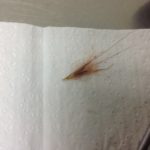
Well folks, I’m sorry to say that foxtail season has already begun (a little sooner than usual).  Today we removed our first foxtail from the nose of a dog.  She came in with acute sneezing that started when she was out in the field yesterday with her mom.

Sure enough, we sedated her and found a huge foxtail in her right nostril (sedation is almost always needed to look up a dog’s nose, otherwise they sneeze all over us!).  The good news is that no damage was done ,and since mom brought her in so quickly the foxtail was relatively easy to find.  We are not always so lucky with foxtails and sometimes they become lodged so deeply within an animal’s tissues that they are impossible to find: quite literally a needle in a haystack!

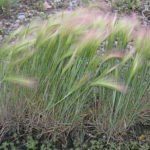
For those of you that don’t know about them, foxtails are grass awns that grow exclusively in California.  They have sharp barbed tips like arrow heads, so once they grab ahold of something they keep inching forward but never backwards.  In this way, they can enter an animals body and begin to migrate.  We have even seen cases where a foxtail will enter through a paw and exit through the shoulder!  They can pretty much end up wherever they choose and this can lead to major health problems.

Remember, when it comes to foxtails, prevention is the key. Mow down any tall grasses as quickly as they grow and try to remove any plant debris that accumulates.  The only way to truly keep your pet foxtail-free is to practice avoidance!  If you think your pet might have been exposed to a foxtail, seek treatment right away.

Foxtail
This foxtail was lodged in the right nostril
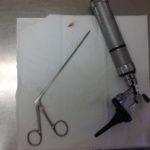
Foxtail
Foxtail removal equipment
Foxtails
This is what they look like on the plant

Dental Health Topic: Broken teeth

Posted on March 19, 2013 by pismobeachvet

Broken teeth are common problems we see in both our dog and cat patients. Since any degree of tooth loss can be problematic (even a small chip compromises the protective enamel coating on the tooth), we recommend an oral examination to evaluate all broken teeth. If the fracture is severe enough, a root canal treatment or tooth extraction will be recommended. By leaving the broken tooth untreated, it is causing your pet pain (even if he is stoic and doesn’t seem painful) and can lead to a severe infection.

Although you may have heard that chewing on bones can help clean your pet’s teeth, we do not recommend any type of bones for your pet (whether cooked, raw, beef, or bird). This is because the big hard bones can easily break teeth – and it’s usually the large, shearing molars in the back of the mouth – and smaller, brittle bones can get stuck or cause severe irritation when swallowed.

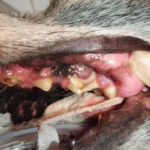
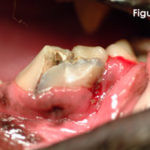
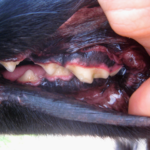
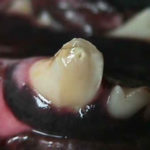
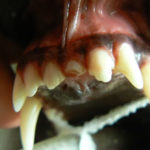
Here are some examples of what broken teeth look like.

Broken 4th Premolar
Complicated Crown Fracture
Slab/Chip Fracture
Broken Canine
Broken Incisor


An Ounce of Prevention is Worth a Pound of Cure

Posted on March 18, 2013 by pismobeachvet

The Importance of an Annual Physical Exam:

It’s Not Just About the Vaccines Anymore

Pets can’t talk, so they can’t tell us when they are not feeling well.  They won’t whine when their joints hurt, they won’t usually stop eating when their teeth hurt, and they often show no outward signs in the early stages of chronic disease.  From species to species, clinical signs of illness can vary significantly. Cats are a good example: symptoms can be so subtle that by the time the owner notices that a cat is sick, the animal may already be in serious trouble.  This is the very reason why we recommend that all pets, regardless of their age or perceived health, be seen at least yearly for a physical exam. Older animals, or those with known disease conditions, may need to be seen every three to six months.  Though it may be the vaccine reminder that brings an owner in, vaccination is actually among the least important parts of managing an animal’s health.

At Pismo Beach Veterinary clinic, we are experts in detecting subtle physical signs in an animal patient, and it all starts with a physical exam.  We start at the head evaluating eyes, ears, teeth, mouth and lymph nodes and work our way back: listening to the heart and lungs, palpating internal organs in the abdomen, and of course taking that dreaded temperature!  This quick but crucially important physical exam allows us to make appropriate health care recommendations for your pet.  Since we don’t see your pet everyday, it is easier for us to spot subtle changes like new lumps and bumps, weight gain or loss, and changes in demeanor or attitude.

This post is to download grow boxlatest version. As we all know, ShowBox is one of the greatest movies applications ever come

The following are some examples of frequently overlooked aspects of managing a pet’s health as well as some common disease conditions that we may diagnose at your annual physical exam:

  1. The practice of protecting your dog from diseases by vaccination and from parasites such as worms, fleas, and ticks should start during puppy-hood and continue throughout his/her lifetime.  Parasites can not only act as a way to spread disease to your pet, but also to family members – especially children and those with weaker immune systems.  Vaccines, especially in young animals, are an important part of assuring that your animal is well protected from serious infectious diseases.
  2. How many people look in their pet’s mouth, especially cat owners?  Over 85% of pets over the age of three have some degree of dental disease.  If we take the idea that a pet year is worth seven human years, a five year old cat that has never had a dental cleaning is like a thirty five year old person whose teeth have never been brushed! Can you imagine? If left untreated, dental disease has been shown to have impacts on the heart, kidneys, and lungs and can take years off your pet’s life.
  3. Itchy skin and skin and/or ear infections are among the most common things that we see in our patients.  Most of these issues boil down to allergies and can in many cases be significantly improved with over-the-counter medication, diet, and parasite control.  The key ingredient is consistency and an open line of communication.  This allows for a custom-catered approach to managing your pet’s allergic conditions.
  4. Unfortunately, just like the rampant problem we see in humans, obesity is a huge issue with dogs and cats.  Our perception of what a “normal” pet is supposed to look like is generally quite skewed because the average pet is now overweight.  Lifespan studies have shown that obesity is a significant risk factor for arthritis as well as other medical conditions, and can actually take years off your pet’s life.  At Pismo Beach Vet, we not only keep an accurate and ongoing record of your pet’s weight, but can advise you on some simple things you can do to improve the animal’s body condition.  It is easy to get offended, but remember that your our job is to help promote long, healthy, and happy lives for all of your pets!

Thanks to advances in veterinary medicine, pets are living longer than ever before. However, with this increased lifespan comes an increase in the types of ailments that can afflict senior pets. As pets reach the golden years there are a variety of conditions and diseases that they can face, including weight and mobility changes; osteoarthritis; kidney, heart, and liver disease; hormone or metabolic disorders such as diabetes and hyper- or hypo-thyroidism; and of course cancer.

  1. Degenerative joint disease (arthritis) is the number one cause of chronic pain in dogs and cats.  A friend of mine was asking me for weeks about her dog who had begun “sitting funny” but showed no other signs of pain or illness.  I encouraged her to see her regular vet.  She eventually scheduled a physical exam and the pet was put on anti-inflammatory pain medications.  She saw such an enormous improvement in her animal’s activity level that she actually thought the pain medications must include some sort of stimulant!  What really happened is that her dog had been living with chronic pain for months or years and she had not noticed because he did not complain.
  2. Nearly 20% of senior female dogs are walking around at any given time with a urinary tract infection but may show little or no outward signs. A simple urine panel can enable us to diagnose and treat this problem.
  3. Over 10% of cats over the age of ten have the beginnings of chronic kidney disease.  The earlier we diagnose this condition with routine blood work, the better our chances of slowing the progression of the disease.

These are but a few examples of the importance of regular check-ups with your veterinarian.  Ultimately, with advances in diagnostic testing and training, our focus in veterinary medicine has shifted from reactive to preventative medicine.  Annual examinations and periodic blood screening allow us to diagnose or prevent disease before it becomes advanced or even occurs at all, thereby improving both the quality and the length of life for those important members of your family.

Download Document in WordClick here to download this document in WORD… 



Posts navigation

Older posts
Newer posts

Categories

Archives

Search

Visit Our Online Store

SHOP ONLINE

Find Us On Facebook

Hours

  • Mon – Fri
  • 8AM – 9PM
  • Sat – Sun
  • 8AM – 5:30PM

Phone

(805) 773-0474

Address

Pismo Beach Veterinary Clinic
990 Price Street
Pismo Beach, CA 93449
Directions
Contact Info

Pismo Beach Veterinary Clinic

© 2026 Pismo Beach Veterinary Clinic. All Rights Reserved.